Brussels Gaze / La collection de Contretype : traverser la ville
Cette exposition est à voir à la Maison Plegrims
23.01 — 21.02.2027
Vernissage / Opening
22.01.2027
17:00
Hicham BENOHOUD • Marie-Noëlle BOUTIN • Elina BROTHERUS • André CEPEDA • Sébastien CAMBOULIVE • Stefan DE JAEGER • Vicente DE MELLO • Daniel DESMEDT • JH ENGSTRÖM • Gilbert FASTENAEKENS • Lilly LULAY • Angel MARCOS • Alain PAIEMENT • Bernard PLOSSU • Kim ZWARTS •
Hicham BENOHOUD • Marie-Noëlle BOUTIN • Elina BROTHERUS • André CEPEDA • Sébastien CAMBOULIVE • Stefan DE JAEGER • Vicente DE MELLO • Daniel DESMEDT • JH ENGSTRÖM • Gilbert FASTENAEKENS • Lilly LULAY • Angel MARCOS • Alain PAIEMENT • Bernard PLOSSU • Kim ZWARTS •
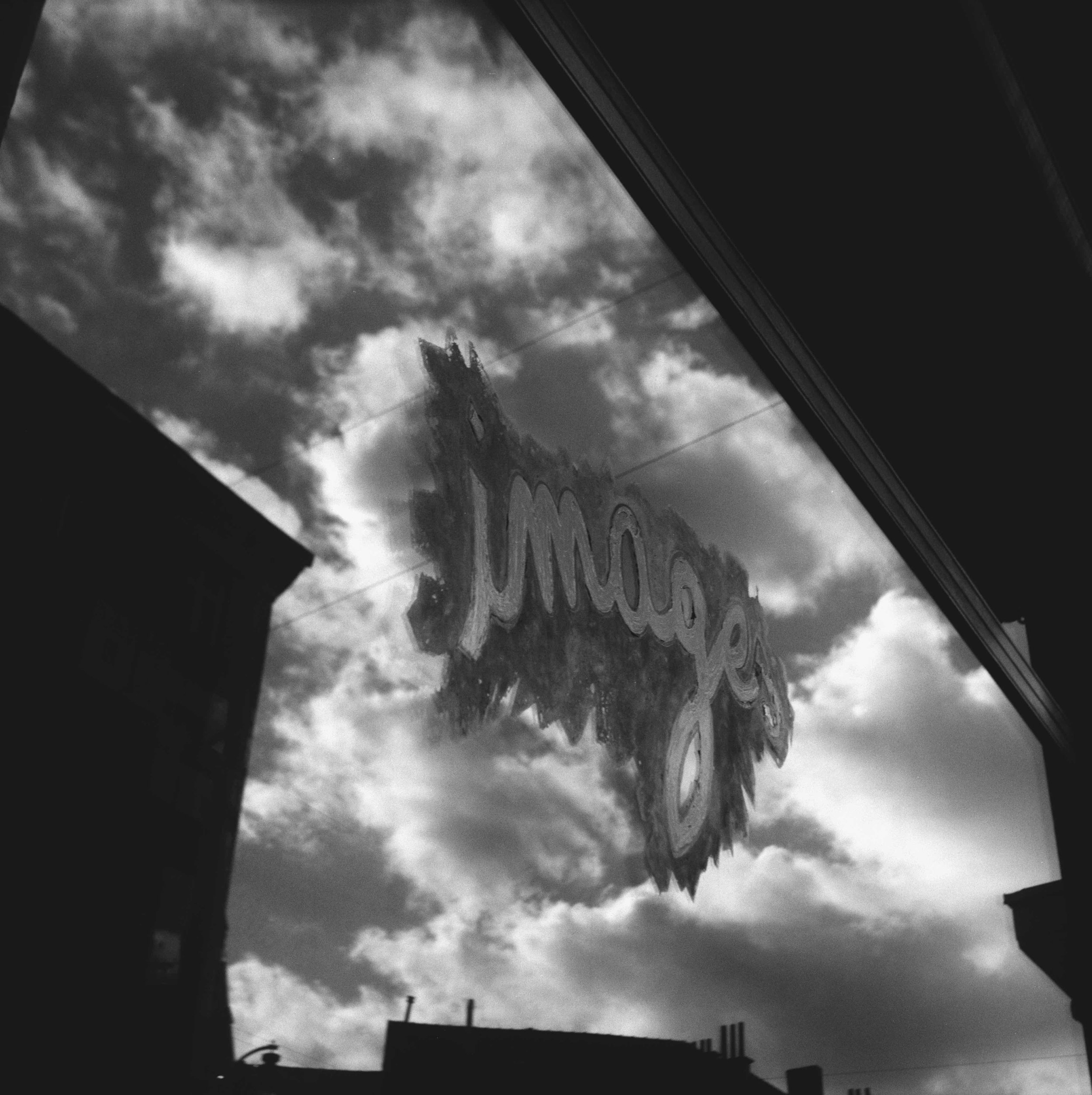
Réunissant une cinquantaine d’œuvres d’artistes belges et internationaux, l’exposition Brussels Gaze s’articule autour de deux axes majeurs : les visages multiples du territoire bruxellois et la diversité de celles et ceux qui l’investissent. Les artistes fixent avec singularité ce qui caractérise la capitale : d'une part son édification constante et sa capacité au changement et d'autre part son multiculturalisme.
EN
Bringing together around fifty works by Belgian and international artists, the Brussels Gaze exhibition revolves around two main themes: the multiple faces of the Brussels territory and the diversity of those who inhabit it. With a singular vision, the artists capture what defines the capital—on the one hand, its constant construction and capacity for change, and on the other, its multiculturalism.
NL
Met een vijftigtal werken van Belgische en internationale kunstenaars draait de tentoonstelling Brussels Gaze om twee grote pijlers: de veelzijdige gezichten van het Brusselse grondgebied en de diversiteit van degenen die het tot leven brengen. De kunstenaars leggen op een eigenzinnige manier vast wat de hoofdstad typeert: enerzijds de voortdurende opbouw en het aanpassingsvermogen, en anderzijds het multiculturele karakter.
Brussels Gaze
Textes
Dans le cadre du 11ᵉ Photo Brussels Festival et en écho à la célébration du Bicentenaire de l’invention de la photographie, le centre d’art Contretype s’associe à la Commune de Saint-Gilles pour présenter l’exposition Brussels Gaze / La collection de Contretype : traverser la ville. Elle se déploie du vendredi 21 janvier au dimanche 21 février 2027 à la Maison Pelgrims, fleuron de l’architecture Art nouveau et éclectique édifié en 1905 par Adolphe Pirenne, restauré en 2025 et siège du Service de la Culture de la commune.
-
Cette exposition réaffirme le lien historique profond qui unit Contretype à Saint-Gilles, qui a accueilli les activités de Contretype depuis sa création en 1978, d’abord à l’Hôtel Hannon, puis depuis 2014 à la Cité Fontainas, près de la Porte de Hal. Cette présence durable sur le territoire communal inscrit pleinement Saint-Gilles dans une histoire belge de la photographie, emblématique de son ancrage dans la modernité.
Fondé en 1978 et aujourd’hui structuré en centre d’art, Contretype / centre d’art pour l’image et la photographie contemporaine est un acteur de référence en Belgique et à l’échelle européenne pour la reconnaissance de la photographie comme langage artistique. Dès ses débuts, il défend la photo aussi bien comme outil de représentation documentaire du réel que comme mode d’expression et de création plastique. Ses missions s'articulent aujourd’hui autour de la prospection, du soutien à la création émergente et de la diffusion artistique, avec une attention constante portée aux recherches formelles et conceptuelles. Au fil de ses projets, Contretype a constitué la collection « L’image de Bruxelles », un patrimoine vivant réunissant aujourd’hui près de 400 œuvres d’auteur.ice.s belges et internation.aux.ales. Initié de manière empirique lors des premières expositions, ce fonds s’est surtout déployé grâce au programme international de résidences lancé en 1998. Invité.e.s à approfondir leurs recherches sur place, les artistes ont posé leur regard sur l’environnement urbain, ses mutations et ses habitants. Bien plus qu'un simple inventaire, la collection conserve la mémoire des programmations, des affinités, mais aussi des réflexions théoriques qui ont animé Contretype. Elle retrace une véritable histoire de la photographie en Belgique, de la pratique amateur issue des photo-clubs à la reconnaissance européenne de la photographie subjective, jusqu'au genre documentaire, aux croisements avec l'art contemporain et aux écritures les plus actuelles.
L’accrochage à la Maison Pelgrims engage un dialogue inédit entre la photographie et la dimension décorative de l’Art nouveau. Ce choix fait écho au pictorialisme, mouvement du tournant du XXᵉ siècle qui cherchait à faire reconnaître la photographie comme un art à part entière en lui attribuant des qualités plastiques proches de la peinture. À ce titre, il faut rappeler le soutien de Contretype à la figure d’Édouard Hannon, ingénieur et homme de progrès, pionnier du pictorialisme en Belgique et membre fondateur en 1874 de l’Association belge de photographie.
L'exposition rend également hommage à des figures pionnières de l’après-guerre en Belgique, comme Julien Coulommier, Gilbert De Keyser ou Serge Vandercam, qui ont affirmé l'autonomie du langage photographique, incarnée en 1957 par l'exposition fondatrice Images Inventées. L’exposition s’articule autour de deux axes majeurs : les visages multiples du territoire bruxellois et la diversité de celles et ceux qui l’investissent. Les artistes fixent avec singularité ce qui caractérise la capitale : d'une part son édification constante et sa capacité au changement et d'autre part son multiculturalisme.
En faisant dialoguer plusieurs générations de créateur.ice.s (parmi lesquels Gilbert Fastenaekens, JH Engström, Elina Brotherus, Alain Paiement, Stefan De Jaeger, Dirk Braeckman, André Cepeda, Lilly Lulay), le parcours réunit des démarches tant documentaires que formelles ou conceptuelles. De cette confrontation naît une pluralité d’écritures qui refuse une représentation homogène ou figée de la ville. Bruxelles y apparaît comme un territoire fragmenté, traversé de présences, de traces et de rythmes dissonants. La ville n'est jamais donnée à voir de manière définitive : elle est interprétée, reconstruite et déplacée par la subjectivité de chaque auteur.ice. Enfin, les œuvres s’agencent en réponse à l'architecture éclectique du lieu, générant des tensions, des correspondances et des hypothèses esthétiques audacieuses.
Bien qu’historique, la collection de Contretype est rarement exposée. Elle a fait l'objet de quelques présentations importantes : Brussels Unlimited, résidences d’artistes à Bruxelles, en 2014 à La Centrale d’art contemporain (Bruxelles), axée sur les enjeux du travail en résidence, puis en 2018 une présentation au CRP / Centre régional de la photographie à Douchy-les-Mines (France) et enfin en 2023 avec Dissonances visuelles, présentée au sein même de Contretype.
Cette nouvelle présentation à la Maison Pelgrims est une occasion privilégiée de faire sortir certaines œuvres des réserves. En les installant dans un cadre inédit, l'exposition active des rapprochements inattendus et propose une expérience immersive : faire circuler les regards, tenter des narrations ouvertes et inviter à regarder Bruxelles non comme une image figée, mais comme une constellation dynamique de paysages et d'expériences.
English
-
As part of the 11th Photo Brussels Festival and in resonance with the bicentenary celebration of the invention of photography, the Contretype art centre joins forces with the Municipality of Saint-Gilles to present the exhibition Brussels Gaze / The Contretype Collection: Crossing the City. It runs from Friday 21 January to Sunday 21 February 2027 at the Maison Pelgrims, a jewel of Art Nouveau and eclectic architecture built in 1905 by Adolphe Pirenne, restored in 2025, and home to the municipality’s Department of Culture.
This exhibition reaffirms the deep historical bond linking Contretype to Saint-Gilles, which has hosted Contretype’s activities since its founding in 1978: first at the Hôtel Hannon, and since 2014 at Cité Fontainas, near the Halle Gate. This enduring presence within the municipality firmly embeds Saint-Gilles in Belgium’s photographic history, emblematic of its grounding in modernity.
Founded in 1978 and structured today as an art centre, Contretype / art centre for the image and contemporary photography is a benchmark institution in Belgium and across Europe for the recognition of photography as an artistic medium. From its inception, it has championed photography both as a documentary tool for depicting reality and as a mode of visual expression and artistic creation. Today, its missions centre on scouting talent, supporting emerging artists, and disseminating work, with constant attention to formal and conceptual research.
Across its projects, Contretype has built the collection “The Image of Brussels,” a living heritage that now brings together nearly 400 works by Belgian and international artists. Initiated empirically during early exhibitions, this collection expanded primarily through the international residency programme launched in 1998. Invited to deepen their research on site, artists turned their gaze toward the urban environment, its transformations, and its inhabitants.
Far more than a simple inventory, the collection preserves the memory of past programmes, artistic connections, and theoretical reflections that have shaped Contretype. It traces a genuine history of photography in Belgium, from amateur camera club practices to the European recognition of subjective photography, documentary traditions, crossovers with contemporary art, and current photographic practices.
The installation at Maison Pelgrims sparks a novel dialogue between photography and the decorative dimension of Art Nouveau. This choice echoes Pictorialism, a turn-of-the-20th-century movement that sought to establish photography as a fine art by attributing to it visual qualities akin to painting. In this regard, Contretype’s support for Édouard Hannon—engineer, forward thinker, pioneer of Pictorialism in Belgium, and founding member of the Association belge de photographie in 1874—is particularly noteworthy.
This exhibition reaffirms the deep historical bond linking Contretype to Saint-Gilles, which has hosted Contretype’s activities since its founding in 1978: first at the Hôtel Hannon, and since 2014 at Cité Fontainas, near the Halle Gate. This enduring presence within the municipality firmly embeds Saint-Gilles in Belgium’s photographic history, emblematic of its grounding in modernity.
Founded in 1978 and structured today as an art centre, Contretype / art centre for the image and contemporary photography is a benchmark institution in Belgium and across Europe for the recognition of photography as an artistic medium. From its inception, it has championed photography both as a documentary tool for depicting reality and as a mode of visual expression and artistic creation. Today, its missions centre on scouting talent, supporting emerging artists, and disseminating work, with constant attention to formal and conceptual research. Across its projects, Contretype has built the collection “The Image of Brussels,” a living heritage that now brings together nearly 400 works by Belgian and international artists. Initiated empirically during early exhibitions, this collection expanded primarily through the international residency programme launched in 1998. Invited to deepen their research on site, artists turned their gaze toward the urban environment, its transformations, and its inhabitants. Far more than a simple inventory, the collection preserves the memory of past programmes, artistic connections, and theoretical reflections that have shaped Contretype. It traces a genuine history of photography in Belgium, from amateur camera club practices to the European recognition of subjective photography, documentary traditions, crossovers with contemporary art, and current photographic practices.
The installation at Maison Pelgrims sparks a novel dialogue between photography and the decorative dimension of Art Nouveau. This choice echoes Pictorialism, a turn-of-the-20th-century movement that sought to establish photography as a fine art by attributing to it visual qualities akin to painting. In this regard, Contretype’s support for Édouard Hannon—engineer, forward thinker, pioneer of Pictorialism in Belgium, and founding member of the Association belge de photographie in 1874—is particularly noteworthy.
The exhibition also pays tribute to Belgian post-war pioneers such as Julien Coulommier, Gilbert De Keyser, and Serge Vandercam, who affirmed the autonomy of photographic language, exemplified in 1957 by the seminal exhibition Images Inventées. The exhibition is structured around two main axes: the multifaceted faces of the Brussels territory and the diversity of the people who inhabit it. The artists capture the defining traits of the capital in distinctive ways: on the one hand, its ongoing construction and capacity for change, and on the other, its multicultural nature.
By bringing several generations of artists into dialogue (including Gilbert Fastenaekens, JH Engström, Elina Brotherus, Alain Paiement, Stefan De Jaeger, Dirk Braeckman, André Cepeda, and Lilly Lulay), the exhibition path brings together documentary, formal, and conceptual approaches. This juxtaposition produces a multiplicity of voices that rejects any uniform or static depiction of the city. Brussels appears as a fragmented territory traversed by presences, traces, and dissonant rhythms. The city is never presented as definitive: it is interpreted, rebuilt, and shifted through each artist’s subjectivity. Finally, the works interact directly with the building’s eclectic architecture, sparking aesthetic tensions, resonances, and daring perspectives. Although historically significant, the Contretype collection is rarely exhibited. It has been featured in a few key presentations: Brussels Unlimited, résidences d’artistes à Bruxelles, in 2014 at La Centrale for Contemporary Art (Brussels), focusing on residency practices; in 2018 at the CRP / Centre régional de la photographie in Douchy-les-Mines (France); and in 2023 with Dissonances visuelles, presented at Contretype itself.
This new presentation at Maison Pelgrims offers a rare opportunity to bring works out of storage. By placing them in an unprecedented setting, the exhibition triggers unexpected connections and invites an immersive experience: encouraging roaming gazes, exploring open narratives, and viewing Brussels not as a fixed image, but as a dynamic constellation of landscapes and experiences.
Nederland
-
Deze tentoonstelling herbevestigt de diepe historische band tussen Contretype en Sint-Gillis, waar de activiteiten van Contretype sinds de oprichting in 1978 altijd hebben plaatsgevonden: eerst in het Hannonhuis en sinds 2014 in de Fontainaswijk, vlak bij de Hallepoort. Deze langdurige aanwezigheid op het gemeentelijke grondgebied verankert Sint-Gillis stevig in de Belgische geschiedenis van de fotografie en getuigt van haar verankering in de moderniteit.
Opgericht in 1978 en vandaag gestructureerd als kunstencentrum, is Contretype / kunstencentrum voor het beeld en de hedendaagse fotografie een toonaangevende speler in België en Europa voor de erkenning van fotografie als artistieke taal. Vanaf het prille begin verdedigt het centrum de fotografie zowel als documentair representatiemiddel van de werkelijkheid als een vorm van beeldende expressie en creatie. De werking draait om prospectie, ondersteuning van opkomend talent en artistieke spreiding, met voortdurende aandacht voor formeel en conceptueel onderzoek. In de loop van verschillende projecten bouwde Contretype de collectie «Het beeld van Brussel» op: een levend erfgoed dat vandaag bijna 400 werken van Belgische en internationale makers telt. Het fonds ontstond proefondervindelijk tijdens de eerste tentoonstellingen en breidde vooral uit dankzij het internationale residentieprogramma dat in 1998 van start ging. De kunstenaars werden uitgenodigd om hun onderzoek ter plekke uit te diepen en richtten hun blik op de stedelijke omgeving, de transformaties ervan en de bewoners. Verre van een loutere inventaris bewaart de collectie de herinnering aan tentoonstellingsprogramma’s, artistieke verwantschappen en theoretische reflecties die Contretype hebben gevormd. Ze schetst een waarachtige geschiedenis van de fotografie in België: van de amateurpraktijk in fotoclubs over de Europese erkenning van de subjectieve fotografie tot het documentaire genre, kruisbestuivingen met hedendaagse kunst en actuele beeldtalen.
De opstelling in het Pelgrimshuis gaat een ongekende dialoog aan tussen fotografie en het decoratieve karakter van de art nouveau. Deze keuze knoopt aan bij het picturalisme, een stroming rond de eeuwwisseling van de 20ste eeuw die fotografie als volwaardige kunstdiscipline wilde laten erkennen door haar beeldende kwaliteiten toe te kennen die dicht bij de schilderkunst lagen. In dit kader verdient ook de steun van Contretype aan de figuur van Édouard Hannon vermelding: ingenieur, vooruitgangsdenker, pionier van het picturalisme in België en in 1874 medeoprichter van de Association belge de photographie.
De tentoonstelling eert eveneens naoorlogse pioniers in België, zoals Julien Coulommier, Gilbert De Keyser en Serge Vandercam, die de autonomie van de fotografische beeldtaal opeisten, wat in 1957 vorm kreeg in de baanbrekende tentoonstelling Images Inventées. Het parcours steunt op twee grote pijlers: de vele gezichten van het Brusselse territorium en de diversiteit van wie de stad bewoont. De kunstenaars leggen op geheel eigen wijze vast wat de hoofdstad typeert: enerzijds haar voortdurende opbouw en transformatiekracht, anderzijds haar multiculturaliteit.
Door verschillende generaties makers met elkaar in dialoog te brengen (onder wie Gilbert Fastenaekens, JH Engström, Elina Brotherus, Alain Paiement, Stefan De Jaeger, Dirk Braeckman, André Cepeda en Lilly Lulay), brengt de tentoonstelling zowel documentaire, formele als conceptuele benaderingen samen. Uit die confrontatie vloeit een veelheid aan beeldtalen voort die weigert de stad homogeen of statisch voor te stellen. Brussel toont zich als een gefragmenteerd terrein, doorkruist door aanwezigheden, sporen en dissonante ritmes. De stad wordt nergens definitief vastgepind: ze wordt geïnterpreteerd, heropgebouwd en verschoven door de subjectieve blik van elke auteur. Tot slot gaan de werken een wisselwerking aan met de eclectische architectuur van de locatie, wat leidt tot spanningen, visuele overeenkomsten en gedurfde esthetische voorstellen. Hoewel historisch van aard, wordt de collectie van Contretype zelden getoond. Ze kende reeds enkele belangrijke presentaties: Brussels Unlimited, résidences d’artistes à Bruxelles, in 2014 in La Centrale voor hedendaagse kunst (Brussel), gericht op de uitdagingen van residentiewerk; vervolgens in 2018 in het CRP / Centre régional de la photographie in Douchy-les-Mines (Frankrijk); en ten slotte in 2023 met Dissonances visuelles, te zien binnen Contretype zelf.
Deze nieuwe presentatie in het Pelgrimshuis biedt een uitgelezen kans om werken uit het depot te lichten. Door ze in een onuitgegeven setting te tonen, brengt de tentoonstelling onverwachte verbanden tot stand en stelt ze een immersieve ervaring voor: blikken laten dwalen, open narratieven verkennen en uitnodigen om Brussel niet als een bevroren beeld te zien, maar als een dynamische constellatie van landschappen en ervaringen.
Articles de presse

BERNARD PLOSSU
en Ville
Contretype et La Lettre volée, 2000.
Format 24 x 16 cm, 112 pages, noir et blanc.
Monographie trilingue (français, anglais, espagnol), Couverture souple.
24 €

ELINA BROTHERUS
The New Painting
Bruxelles, Editions Contretype,
Carnet de Résidence#2, 2004.
Ouvrage bilingue français/anglais
format: 15,5 x 11,5 cm, 48 pages,
21 illustrations en quadrichromie
Textes de Elina Brotherus et
Jean-Louis Godefroid
9 €
retrouvez tous nos livres
dans notre espace libraire
VENEZ PROFITER LIBREMENT DE NOTRE LIBRAIRIE

ANDRÉ CEPEDA
Anacronia
André CEPEDA, Editions Contretype,
Carnet de Résidence#3, 2005.
Ouvrage bilingue français/anglais
format: 15,5 x 11,5 cm, 64 pages,
31 illustrations en quadrichromie
Textes de Frits Gierstberg, Directeur des expositions au Nederlands fotomuseum de Rotterdam et Jean-Louis Godefroid
9 €